Fieldwork Archive
1. A genre of ritual water song from San Pedro de Casta. Sometimes spelled hualina, the term derives from warina, a reference to the ancient Wari civilization that built Casta's irrigation system.
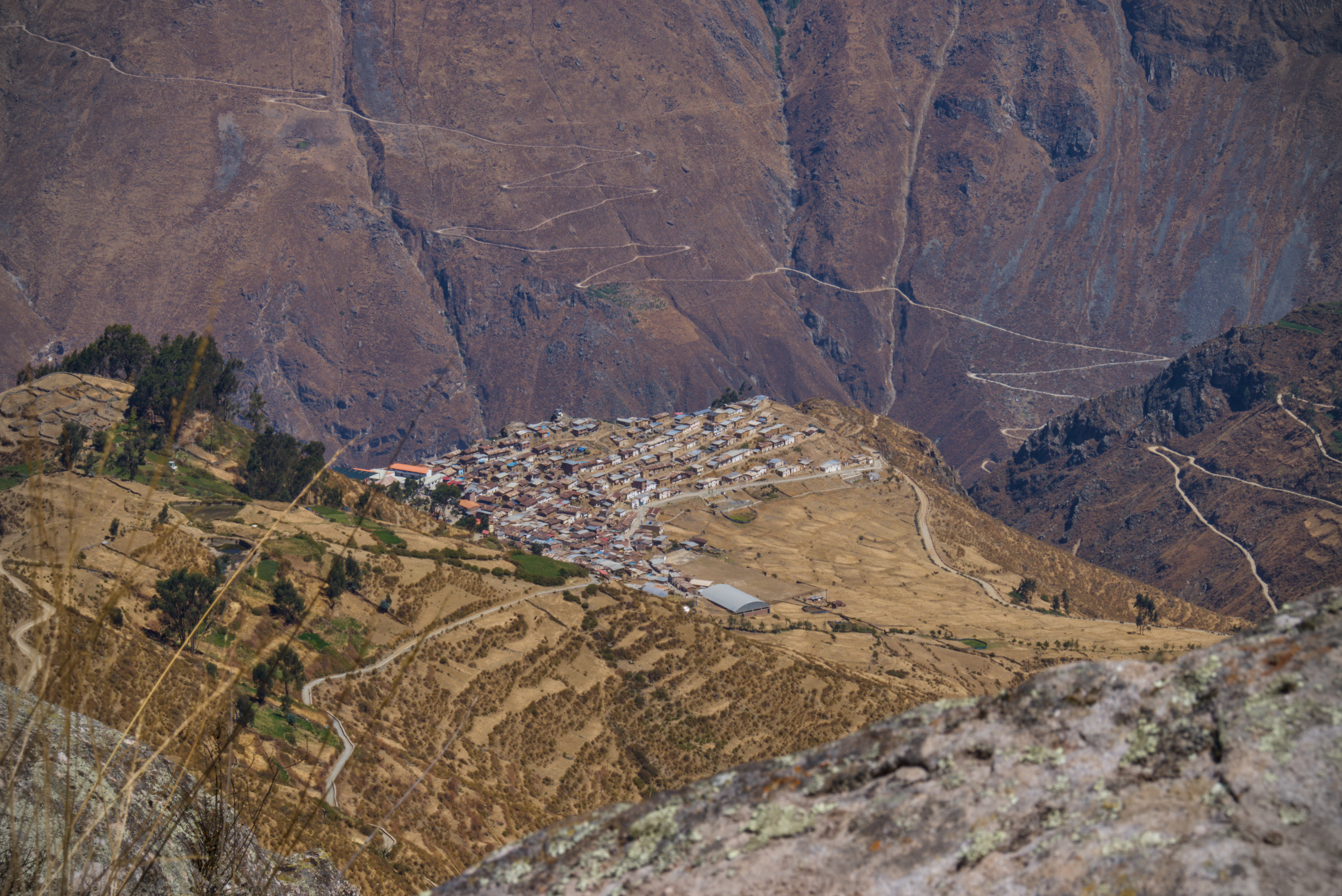
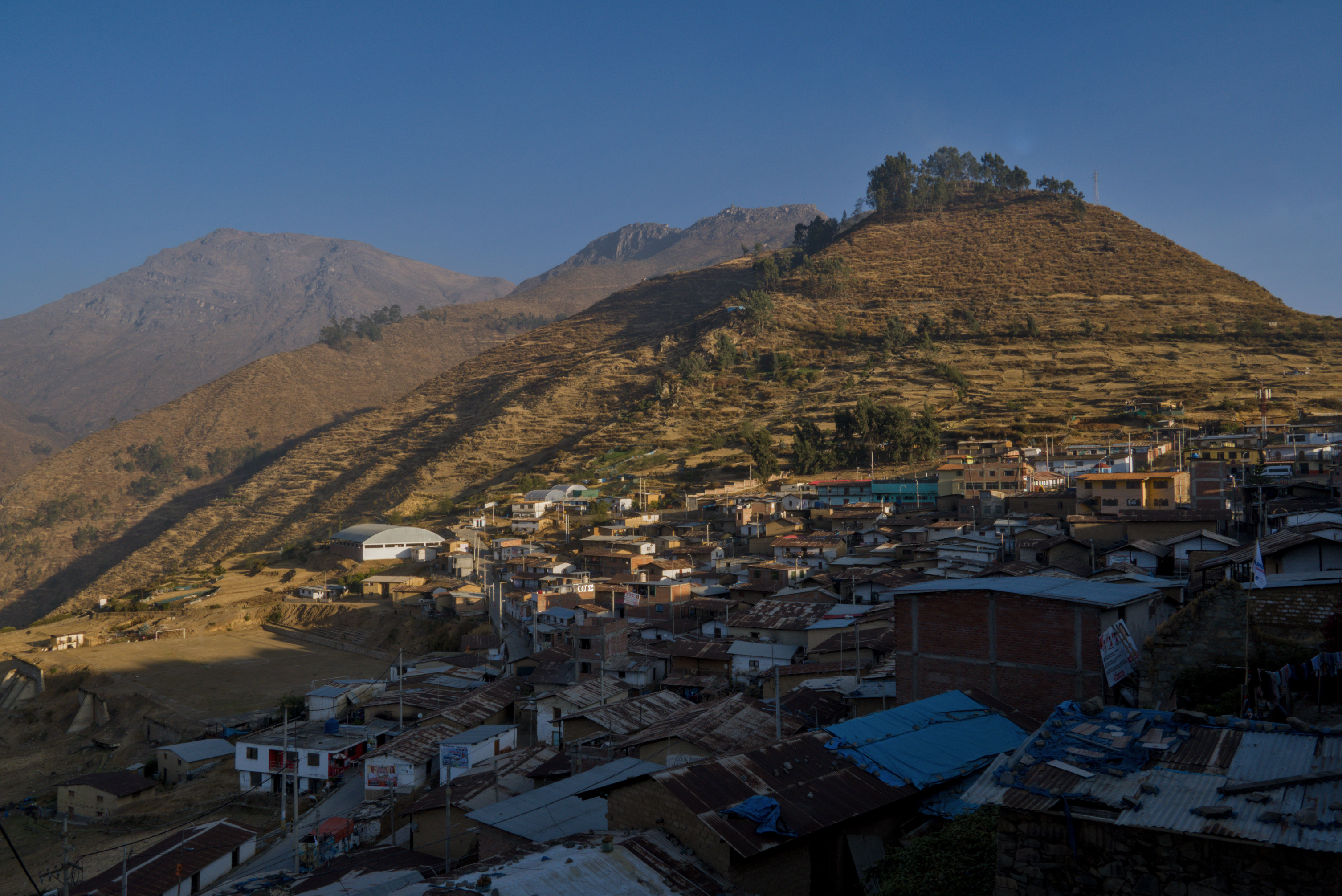
2. Champería is an eight-day water festival celebrated each October in the agrarian community of San Pedro de Casta. During Champería, Casteños sing walinas (water songs) as they clean the irrigation canals and reservoirs that water their fields, organize traditional games, share ceremonial coca and chicha (maize beer), and carry out the ritual labor that ensures the flow of water for another year.
3. In rural Peru, a mayorala is a woman who, during religious processions, is responsible for decorating altars and the andas (liturgical platforms or litters) that carry religious images with flowers.
4. Wild camelid mammal native to the Andes. It is smaller than its more well-known relatives, the alpaca and the llama. It produces the finest, softest, most expensive natural fiber in the world.