Fieldwork Archive
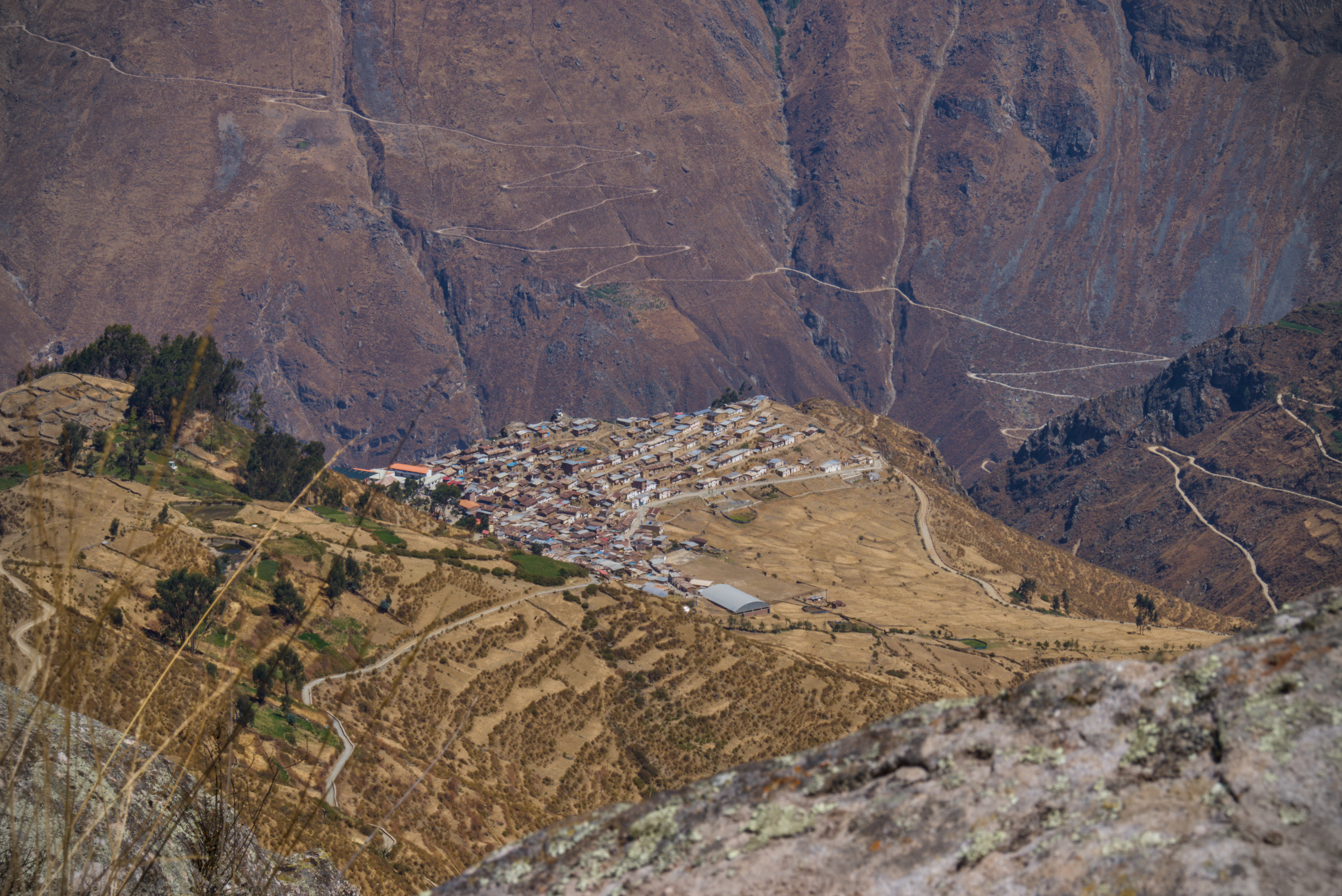
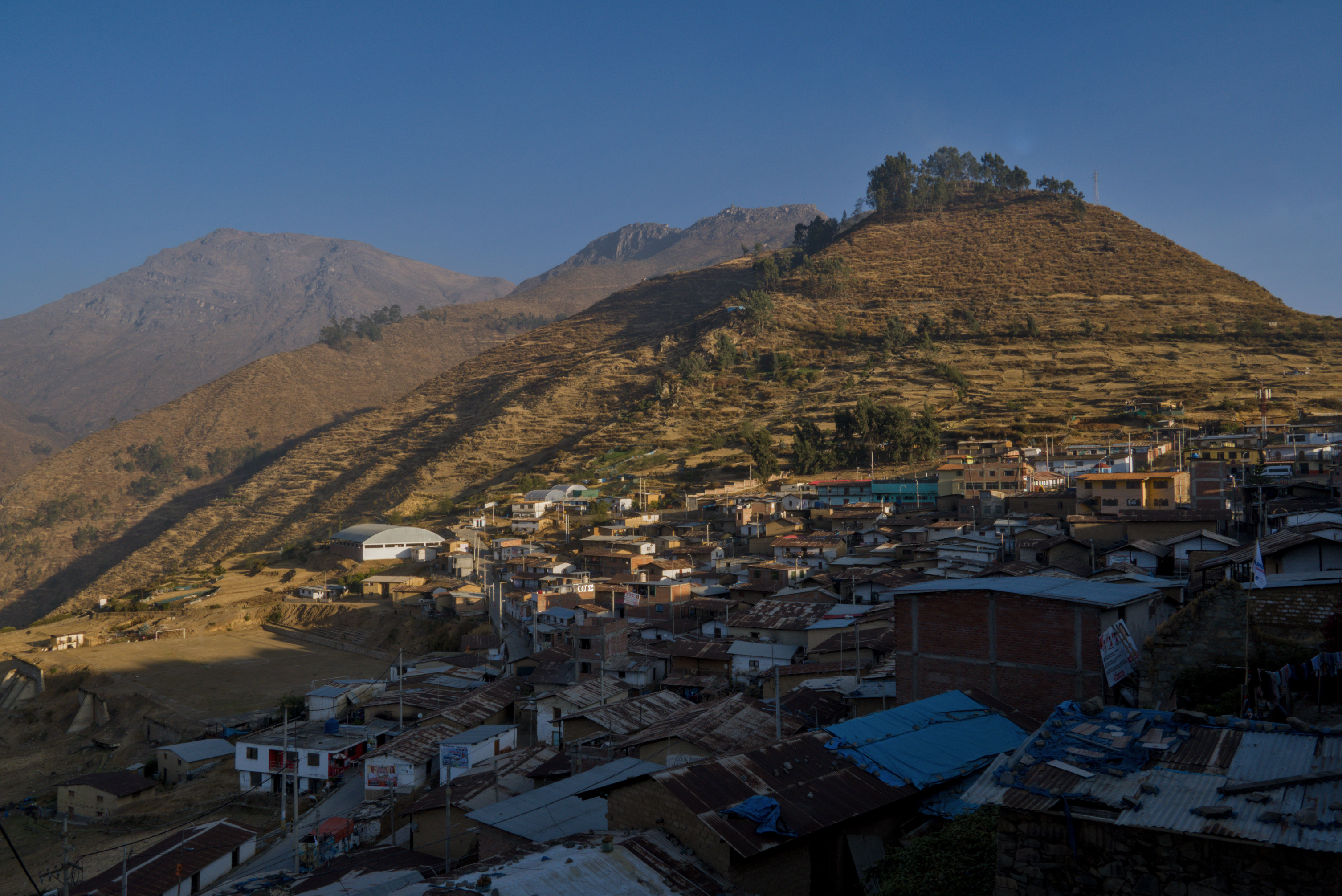
“Manantial de Cunya” is a walina from San Pedro de Casta, an agrarian community in the highlands of Lima, Peru. Walinas are water songs composed and performed for Champería, an eight-day water festival celebrated in Casta each October. During Champería, Casteños sing walinas as they clean the irrigation canals and reservoirs that water their fields, organize traditional games, share ceremonial coca and chicha (maize beer), and carry out the ritual labor that ensures the flow of water for another year.
Walinas, in their characteristically melancholy tone, frequently reference important fixtures of traditional life in Casta—particularly its irrigation system, water cycle, and local landmarks. This song refers to Cunya,1 the most important of three mountain springs that feed Casta’s irrigation system. Cunya flows year-round, and Casteños say should it ever dry up, as other water sources do during the dry season, they would lose the very basis of their lives and livelihoods. Many walinas thus pay homage to Cunya in particular, expressing Casteños’ adoration for the source of life itself.
From Cunya comes the water that flows into Carhuayumac, Casta’s principal canal. From there the water is diverted into a series of reservoirs or lakes called cochas and secondary canals called acequias, gradually flowing down the hills into Casta’s many thirsty fields. Pampacocha, as also referenced in this song, is one of the primary reservoirs located along Carhuayumac’s course.
Doña Catalina Olivares, aged 90 at time of recording, is a yachak (Quechua: “knower”), a respected ritual specialist in Casta. In memory she preserves many of the walinas that circulated during his youth; others she has composed herself. Her walinas are representative of the genre’s traditional strain, whereas in recent times younger community members have begun innovating on the walina form.
1. Sometimes spelled Cuñaq or Kunyaq. The spring's name may allude onomatopoetically to the sound of the water as it bubbles forth from the spring.
2. Multiple transcriptions are plausible. "Que mi viste es tan triste" could mean "that my outfit" if she wears a flower "is so sad," or even "that my visage is so sad." "Que me viste, es tan triste" would mean "that you saw me, it is so sad." "Que me vistes tan triste" would mean "that you saw me so sad." Finally, "que mi vista es tan triste" would mean "that my view" of the spring and the flower "is so sad."
3. A direct transcription or translation of this line is difficult to produce accurately.