Fieldwork Archive
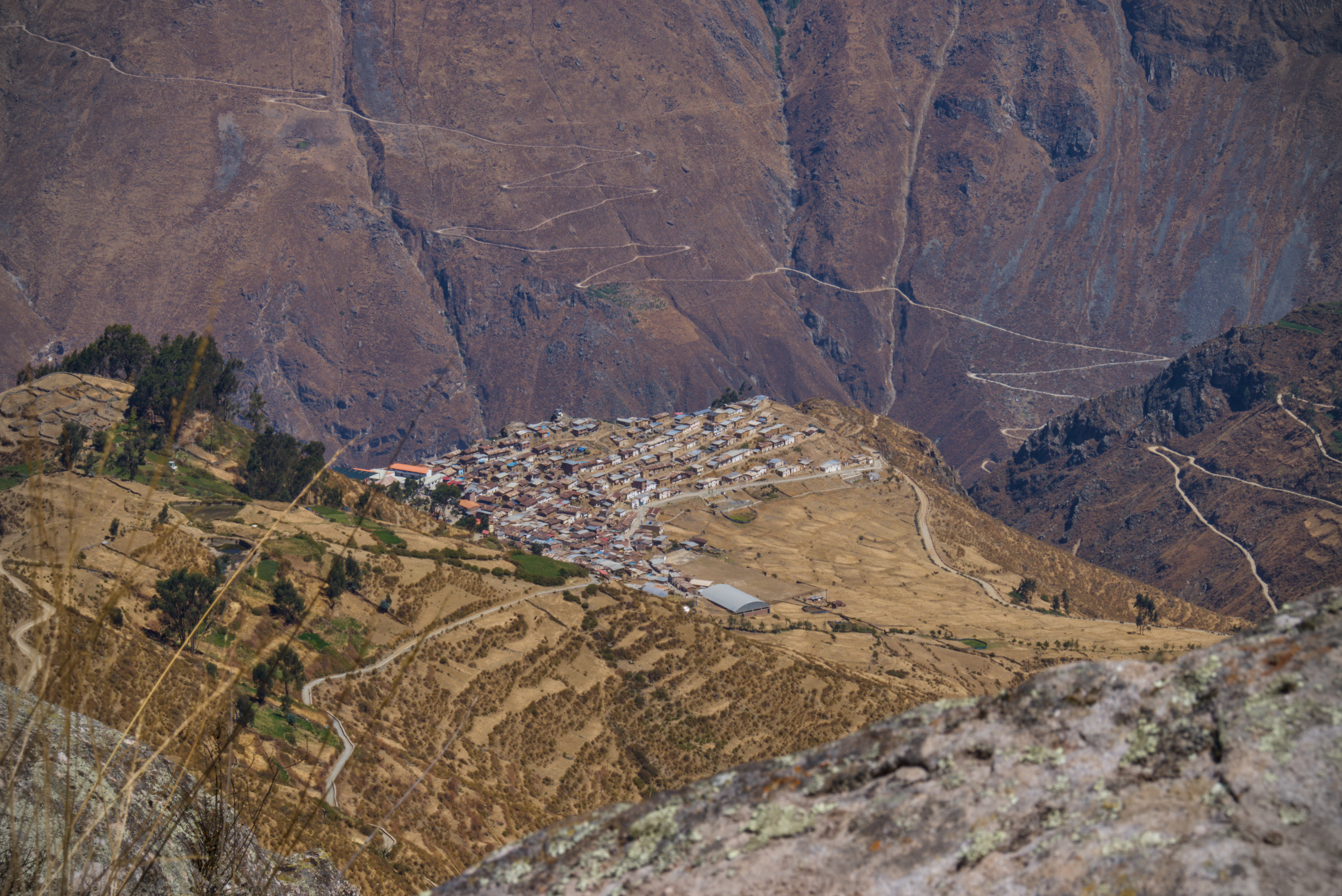
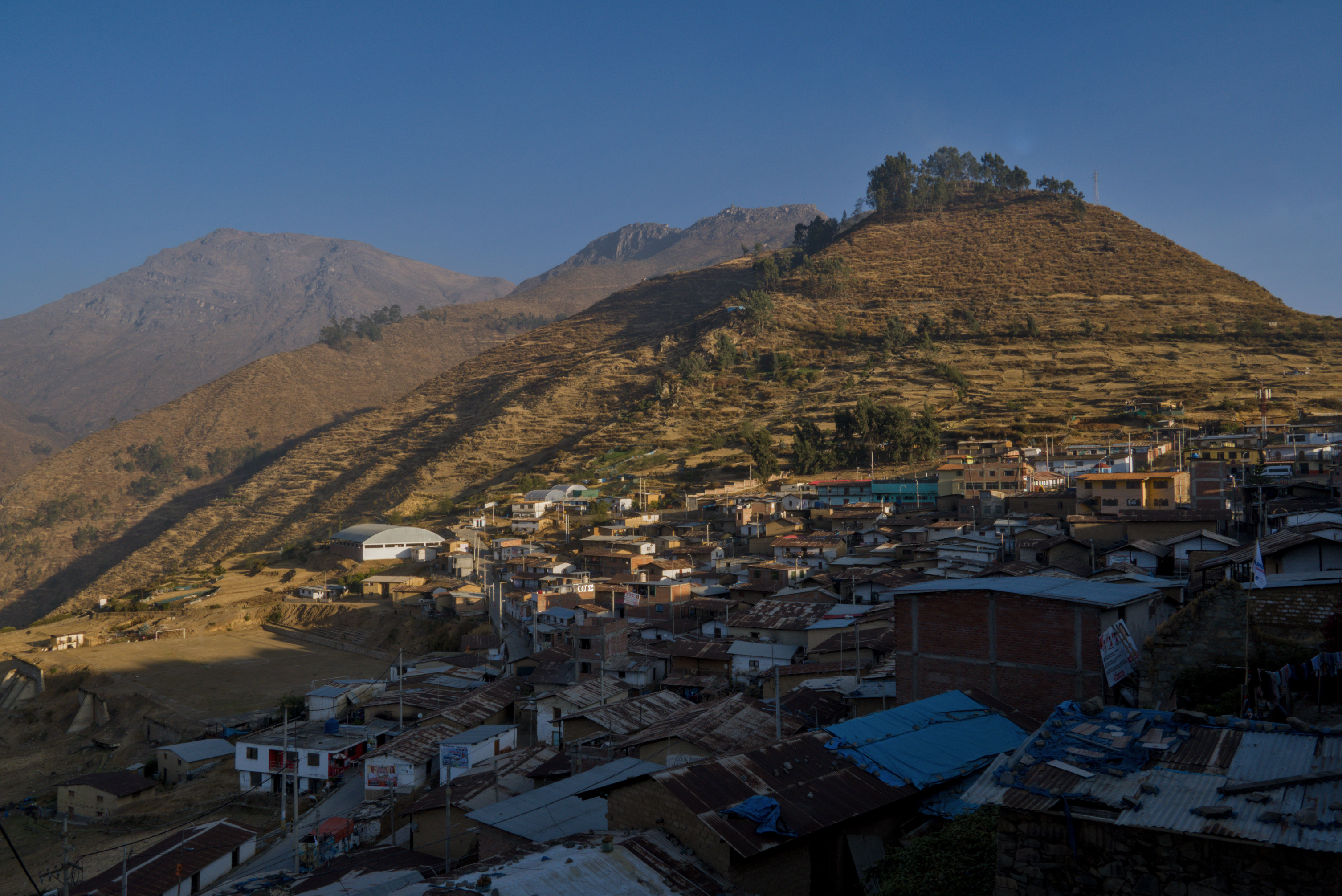
“Michikukunki michikuq tayta” is a yaraví from San Pedro de Casta, an agrarian community in the highlands of Lima, Peru. This melancholy genre descends from the Inka-era harawi tradition of song and poetry. Like the more popular walinas, yaravíes are customarily sung during Champería, an eight-day water festival celebrated in Casta each October. According to tradition, yaravíes are sung to reunite work parties as they finish communal labor tasks associated with Champería.
Although Quechua is no longer spoken in Casta, some songs in Quechua have been transmitted from one generation to the next. This song describes the work of ritual authorities called michcos or michikus, functionaries who oversee the canal cleaning work carried out during Champería.
Doña Catalina Olivares, aged 90 at time of recording, is a yachak (Quechua: “knower”), a respected ritual specialist in Casta. Today, it is mostly elders who preserve songs in Quechua, which are no longer newly composed.
1. Name of spring.
2. The meaning of ayawa is somewhat unclear; based on the context, it likely denotes that the water is going to be transported or is going to flow.
3. Cunya (sometimes spelled Cuñaq or Kunyaq) is the name of a mountain spring that feeds Carhuayumac, the most important canal in San Pedro de Casta's irrigation system. While the name's etymology is somewhat unclear, it may allude onomatopoetically to the sound of the water as it bubbles forth from the spring.
4. Cantarito, diminutive form of cántaro, a small vessel made of earthenware or fired clay used to store, keep cool, and ferment chicha.
5. During Champería, a lamperito uses a shovel (lampa) to clean and clear the irrigation canals.